

Is Following BREEAM Guidelines Always the Smart Choice?
Learn whether following BREEAM guidelines is always the best move, exploring benefits, trade-offs, and smarter sustainability choices.

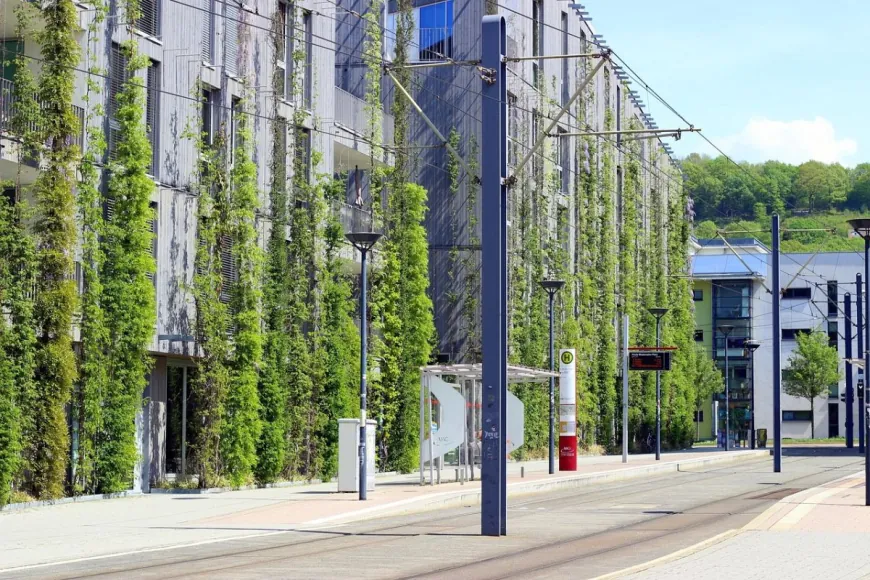
Most of the developers and homeowners who are determined to extend the environment, efficiency and long-term value of their property are usually considered to be making the prudent move of adhering to the BREEAM principles. These guidelines promote better indoor air quality, reduced influence on the environment and conscientious construction methods. Also, BREEAM-compliant developments may attract tenants and environmentally conscious investors. Nonetheless, due to the possibility of additional costs and documentation as part of licensing, the decision could be determined by the scale of the project, the budget, and the specific goals of the company. Good planning and professional support of BREEAM assessments can help to define whether certification suits your objectives or not. The golden mean is finally to create a balance between the practical issues and sustainability objectives.
Recognising the Benefits of BREEAM
One of the most well-known and established sustainability evaluation methods in the world is BREEAM. It evaluates buildings at various stages, from design to construction and operation. Programs have grades ranging from Pass to Outstanding, which are determined by how well they're doing in particular criteria.
The framework promotes sustainable design and construction best practices. It encourages a better quality of the indoor environment, less water use, energy efficiency, biodiversity preservation, and ethical purchasing of materials. Instead of installing discrete green features, builders adopt an overall sustainability strategy by adhering to BREEAM guidelines.
Enhanced Environmental Efficiency
The emphasis on minimising environmental impact is one of the best arguments for adhering to BREEAM requirements. BREEAM promotes decreased production of waste, ethical material procurement, effective energy use, and lower carbon emissions. From planning to operation, structures built in accordance with these requirements are made to have as little of an environmental impact as possible.
Instead of depending on ambiguous green promises, BREEAM offers builders that place a high priority on sustainability an organised system for achieving quantifiable environmental gains.
Increased Efficiency in Energy Use
Energy saving is a major aspect of BREEAM. Programs concerning insulation, lighting, heating, cooling and using renewable source energy are considered. The progressive cut in operating energy costs as a result of following these suggestions is often experienced by builders.
Although the costs of installing energy-saving gadgets may be higher in the short run, the savings on power bills in the long run may justify the costs. This may be a very prudent economic step in a region where the cost of energy is on the rise.
An Increase in the Prices of Properties
The more it is being offered at a higher value, as homes are commonly sought after due to environmentally friendly buildings. Buyers and investors are seeking ecologically friendly houses due to cost savings and reputational benefits in the long run.
A BREEAM qualified building often translates into quality, lifespan and future proofing. Such recognition can enhance market competitiveness and market value in the market, especially in industrial property markets.
Enhanced Brand Reputation and Marketability
Credentials that are green are effective marketing tools. The image of a business can be improved by obtaining a BREEAM rating, which shows an intense dedication to sustainability.
This can also be used as part of a corporate social responsibility (CSR) plan by companies that are housed in BREEAM-certified buildings. Customers, partners, and tenants who care about the environment may be drawn in by this reputational benefit.
Improved Quality of Indoor Environment
BREEAM measures thermal comfort, lighting, acoustic performance, and indoor air quality. These factors have a direct influence on the efficiency and overall well-being of occupants.
An enhanced indoor business environment can lead to increased happiness among employees and fewer absences. Better conditions in residential buildings increase the overall well-being of people living in them. BREEAM is not merely an environmental checklist due to the human approach of the methodology.
Future Regulatory and Compliance
Environmental laws are stricter all over the world. By following the requirements of the BREEAM, builders are often ahead of the existing and future rules and regulations.
This would prevent the future costly renovations. With the change in requirements, the builders working on the BREEAM standards have often been well ahead of the new legislation or even just short of it, instead of acting in response to it.
Risk Management and Resilience
Climate change-related problems, such as floods, overheating, and the lack of resources, are posing a threat to buildings. BREEAM assessments facilitate the mitigation of risks and resilience.
Resource effectiveness, climate-responsive design, and sustainable drainage systems can be used in buildings as a solution to environmental problems. This reduces the insurance risk and problems related to the operation.
Promotion of Innovation
BREEAM encourages innovation along with compensating conformity. Innovative solutions that exceed the norms can be credited as extra credits to the project.
This gives architects an incentive to think about materials and water recycling systems, renewable energy sources and smart building management in new ways. Creativity can also increase the total usability and aesthetic value of a building, in addition to increasing the sustainability of the building environment.
Final Words:
There are several benefits to following BREEAM requirements, ranging from increased market value and occupant welfare to better environmental performance and energy conservation. The structure supports long-term savings in expenses and compliance with regulations while offering an organised route toward environmentally friendly building.
What's Your Reaction?
 Like
0
Like
0
 Dislike
0
Dislike
0
 Love
0
Love
0
 Funny
0
Funny
0
 Wow
0
Wow
0
 Sad
0
Sad
0
 Angry
0
Angry
0








Comments (0)