

Baggie Size: Finding the Right Fit for Storage and Packaging
Explore the importance of baggie size for storage, food packaging, and organization. Learn how to select the right dimensions for convenience, efficiency, and product protection.

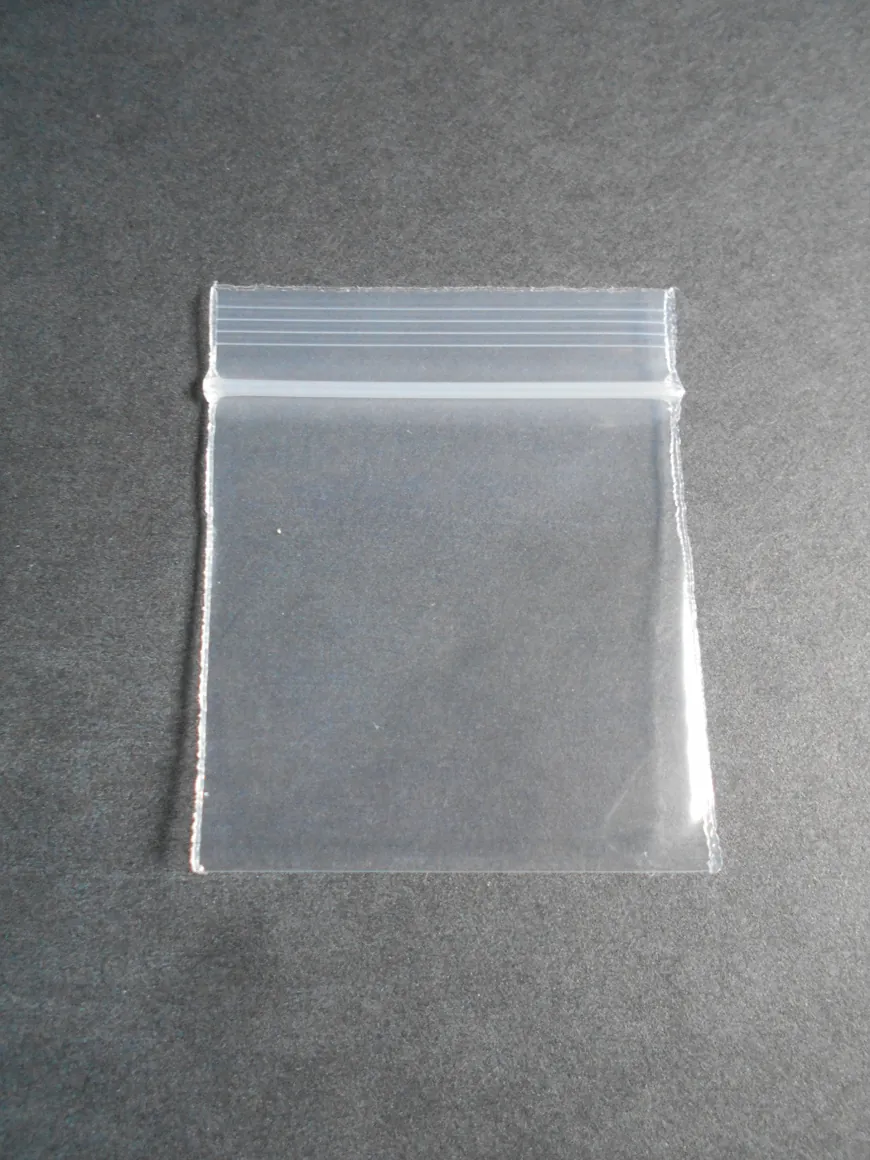
When it comes to storage, organization, and packaging, choosing the right baggie size is essential. Whether you are storing food, organizing small items, or packaging products for sale, the dimensions of your baggies can make a big difference in convenience, functionality, and overall efficiency. Selecting the correct size ensures that items are protected, space is optimized, and usability is maximized.
Why Baggie Size Matters
Baggies are versatile, lightweight, and widely used in households, retail, and food industries. Choosing the right baggie size offers several advantages:
-
Protection: Keeps contents safe from moisture, dust, and contamination.
-
Organization: Makes sorting and storing items easier, especially for small components.
-
Convenience: Properly sized baggies are easier to handle, stack, and transport.
-
Waste Reduction: Using the correct size minimizes unused space and material waste.
From small snack bags to larger storage solutions, understanding the importance of baggie dimensions ensures optimal use for any purpose.
Common Baggie Sizes
Baggies are available in various sizes to meet different needs. Some commonly used dimensions include:
-
Small (2” x 3” to 4” x 6”): Ideal for coins, jewelry, small craft items, or spices.
-
Medium (6” x 8” to 8” x 10”): Suitable for snacks, sandwiches, small electronics, or cosmetics.
-
Large (10” x 12” to 12” x 15”): Used for bulk food storage, documents, or larger household items.
-
Extra-Large (16” x 20” and above): Perfect for apparel storage, large inventory, or industrial use.
Knowing the dimensions that best fit your needs helps reduce excess air space, prevents shifting of contents, and improves storage efficiency.
Material Considerations
The size of a baggie is important, but the material also affects its performance. Common materials include:
-
Polyethylene (PE): Durable, flexible, and ideal for general storage.
-
Polypropylene (PP): Provides clarity for easy content identification.
-
Foil-Lined or Mylar Bags: Protects against moisture, light, and odors.
-
Biodegradable Options: Environmentally friendly choices for sustainable storage.
Selecting the right material in combination with the appropriate size ensures that your items remain secure and intact.
Applications of Baggie Size
Understanding the right baggie size helps in a variety of applications:
-
Food Storage: Small baggies for snacks, medium for sandwiches, and large for frozen foods or bulk storage.
-
Retail Packaging: Custom-sized baggies for jewelry, cosmetics, electronics, and small products.
-
Organization: Craft supplies, office items, hardware, and small household items are easier to manage with proper baggie sizes.
-
Travel and Convenience: Compact baggies are excellent for toiletries, medications, or packing essentials in luggage.
Correct sizing improves user experience and ensures that content is both safe and accessible.
Tips for Choosing the Right Baggie Size
-
Measure Your Items: Always measure the height, width, and thickness of your items to select the most suitable baggie.
-
Allow Space for Expansion: For food items or bulkier materials, choose slightly larger baggies to prevent overfilling.
-
Consider Closure Type: Zipper or press-seal baggies might require a bit more space to ensure a secure seal.
-
Factor in Storage Space: Optimize baggie size to fit in drawers, shelves, or storage bins efficiently.
By carefully assessing your needs and matching them with baggie dimensions, you can improve storage efficiency and maintain organization.
Conclusion
Choosing the right baggie size packaging is crucial for effective storage, packaging, and organization. Properly sized baggies protect contents, improve usability, reduce waste, and enhance overall efficiency. Whether for household use, retail packaging, or food storage, understanding common dimensions, materials, and applications ensures your items are safely stored and easy to manage.
Investing time in selecting the right baggie size helps streamline processes, improve presentation, and provide a better experience for users or customers. From small everyday items to larger bulk products, the perfect baggie size ensures functionality, protection, and convenience.
What's Your Reaction?
 Like
0
Like
0
 Dislike
0
Dislike
0
 Love
0
Love
0
 Funny
0
Funny
0
 Wow
0
Wow
0
 Sad
0
Sad
0
 Angry
0
Angry
0








Comments (0)